Construction Mortars: Types, Uses and How to Choose the Right One
Mortar is one of the most widely used materials in construction, yet choosing the correct type is not always straightforward. A mortar used for laying bricks or blocks performs a different function from one designed for plastering, levelling or repairing damaged concrete.
Using the wrong material can affect adhesion, workability, surface quality and the durability of the finished construction. For this reason, construction mortar should be selected according to its specific application rather than treated as one universal product.
Eder Trade offers a dedicated range of MrFix mortars for masonry, plastering, concrete repair and specialised construction applications, allowing contractors and homeowners to select materials according to the actual requirements of the project.
What Is Construction Mortar?
Construction mortar is generally a mixture based on binders such as cement, aggregates such as sand, and additives that modify properties including adhesion, workability, strength and flexibility.
The exact formulation changes according to the purpose of the product.
A masonry mortar needs to create a reliable bond between bricks, blocks or stone. A plaster mortar must be workable enough to create an even surface over walls and ceilings. A repair mortar, on the other hand, may need stronger mechanical performance to restore damaged concrete.
Understanding these differences is important before selecting a product.
Modern premixed mortars can also simplify work on site because the components are already proportioned by the manufacturer. Instead of creating mixtures manually using separate cement and sand, the contractor adds the specified amount of water and prepares the product according to the technical instructions.
Masonry Mortar for Bricks, Blocks and Stone
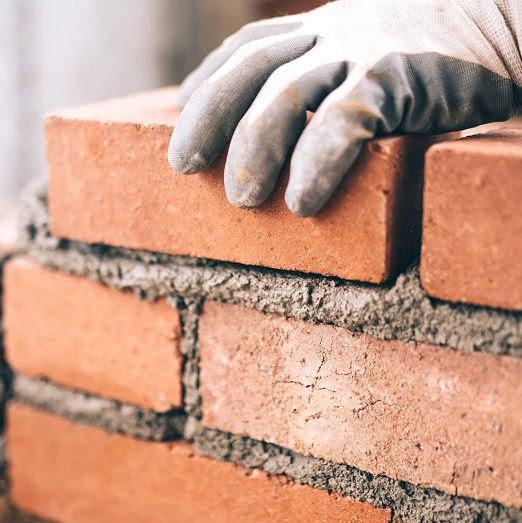
When building masonry walls, the mortar performs a structural and practical role by creating the joints between individual building units.
MRFIX MASONRY MORTAR, available through Eder Trade, is a premixed mortar produced from sand, masonry cement and additional additives. It is designed for laying bricks, blocks and stone, including applications in load-bearing masonry walls.
A purpose-designed masonry mortar provides a more controlled mixture than combining materials without consistent proportions directly on the construction site.
Correct application is still essential. The masonry units, environmental conditions and required joint dimensions should all be considered, while the quantity of water and mixing procedure should follow the manufacturer’s instructions.
For larger construction projects, consistency between batches can become particularly important because variations in mortar preparation can influence workability and the quality of the masonry joints.
Plaster Mortar for Levelling and Finishing Surfaces
Plaster mortar has a different role.
Instead of bonding masonry units together, it is used to create a level and uniform surface that can later receive additional finishing materials.
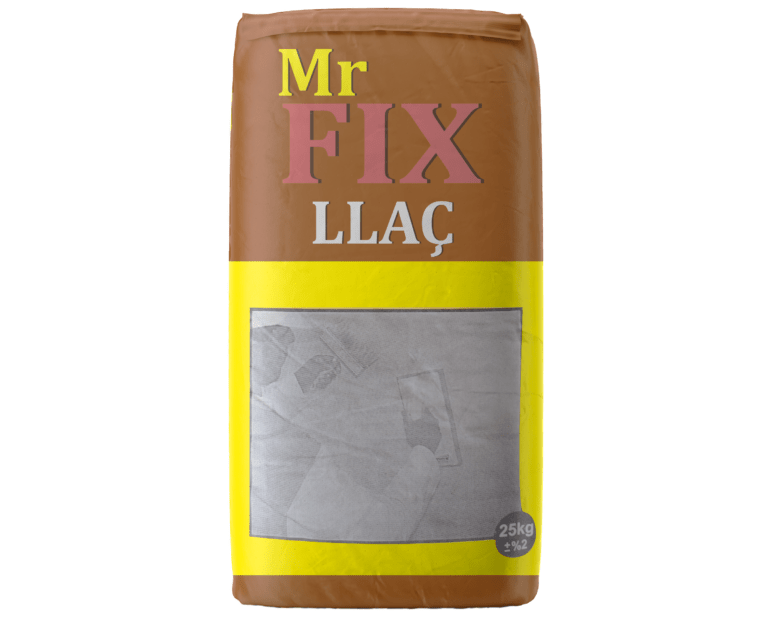
MRFIX PLASTER MORTAR is designed for plastering and levelling interior and exterior wall and ceiling surfaces. Eder Trade specifies its application in thicknesses from approximately 2 to 20 mm, making it suitable for both creating plaster layers and correcting certain uneven surfaces.
The product can also be used when renovating existing surfaces and damaged buildings.
Before plaster mortar is applied, the substrate should be stable and properly prepared. Dust, loose material and contamination can interfere with adhesion between the existing surface and the new mortar layer.
On particularly smooth concrete, additional surface preparation may be necessary.
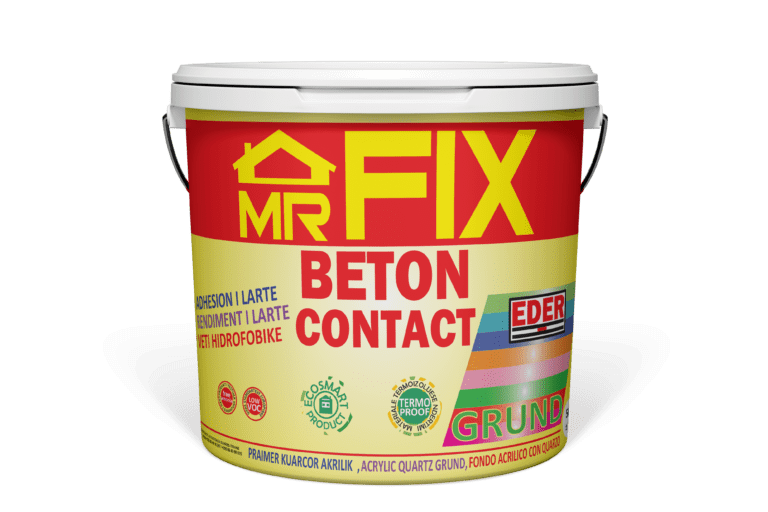
For this purpose, BETON KONTAKT is one of the MrFix preparation products available through Eder Trade. It is designed to improve the bond between concrete and subsequent layers such as mortar, stucco and other cement-based materials.
This illustrates why mortar selection and surface preparation should be considered together.
Repair Mortars for Damaged Concrete
Not every damaged concrete surface should be repaired with standard plaster or masonry mortar.
Concrete repair can require materials specifically formulated to restore damaged areas and work with the existing concrete structure.
Within the MrFix mortar range, BETO + 2K is a two-component mortar designed for repairing and restructuring damaged concrete.
This type of product belongs to a different category from conventional plaster mortar because the objective is not simply to create a smooth decorative surface. Instead, the repair material must become part of the existing concrete repair system.
Before applying a repair mortar, deteriorated and unstable concrete should be removed and the condition of the substrate evaluated. The depth and cause of the damage should also be considered before choosing the repair method.
More significant structural deterioration may require professional assessment rather than a simple surface repair.
Improving Cement-Based Mortars with Additives
Certain construction applications require additional performance from cement-based mixtures.
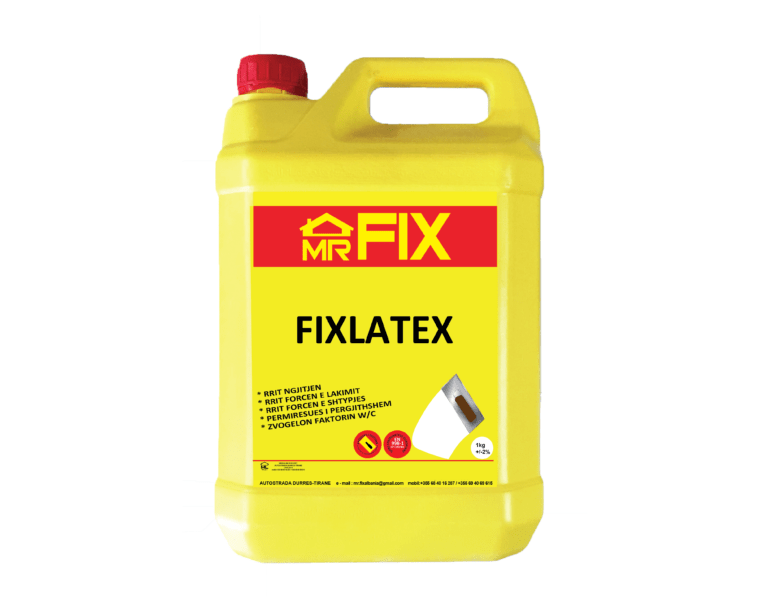
Eder Trade also offers FIX LATEX, a MrFix additive developed to improve the properties of cement mortars and concrete layers. According to the product specifications, it can improve characteristics such as elasticity, adhesion, abrasion resistance and workability. It can also be used in repair mortars and bonding layers between old and new concrete or mortar.
Additives should not be used randomly, however. The amount and method of use need to follow the technical requirements of the specific construction system.
Adding more of an additive does not automatically produce a stronger mortar.
How to Choose the Correct Mortar
The most important question is not simply “Which mortar is best?” but “What does the mortar need to do?”
For brick, block or stone construction, a dedicated masonry mortar such as MRFIX MASONRY MORTAR is the logical starting point. For plastering and levelling, MRFIX PLASTER MORTAR is designed specifically for that application. Damaged concrete may instead require a dedicated repair solution such as BETO + 2K.
Substrate condition, layer thickness, indoor or outdoor exposure and the materials applied before and after the mortar should also influence the choice.
Use Construction Materials as a System
Reliable construction results rarely depend on one product alone.
The substrate must be prepared correctly, the mortar must match the application, and every following layer must be compatible with the material underneath.
Eder Trade’s MrFix mortar range includes masonry, plastering and repair solutions as well as specialised mortars and complementary additives, giving professionals different options for different stages of construction.
Choosing a specialised construction mortar instead of applying the same generic mixture everywhere can improve consistency, simplify application and create a better foundation for the next stages of the project.
Whether the work involves building masonry, plastering a new construction or repairing damaged concrete, the correct approach starts by identifying the function required from the mortar and then selecting the product designed to perform that job.