Exterior Wall Cracks: Causes, Repair Methods and the Right Materials to Use
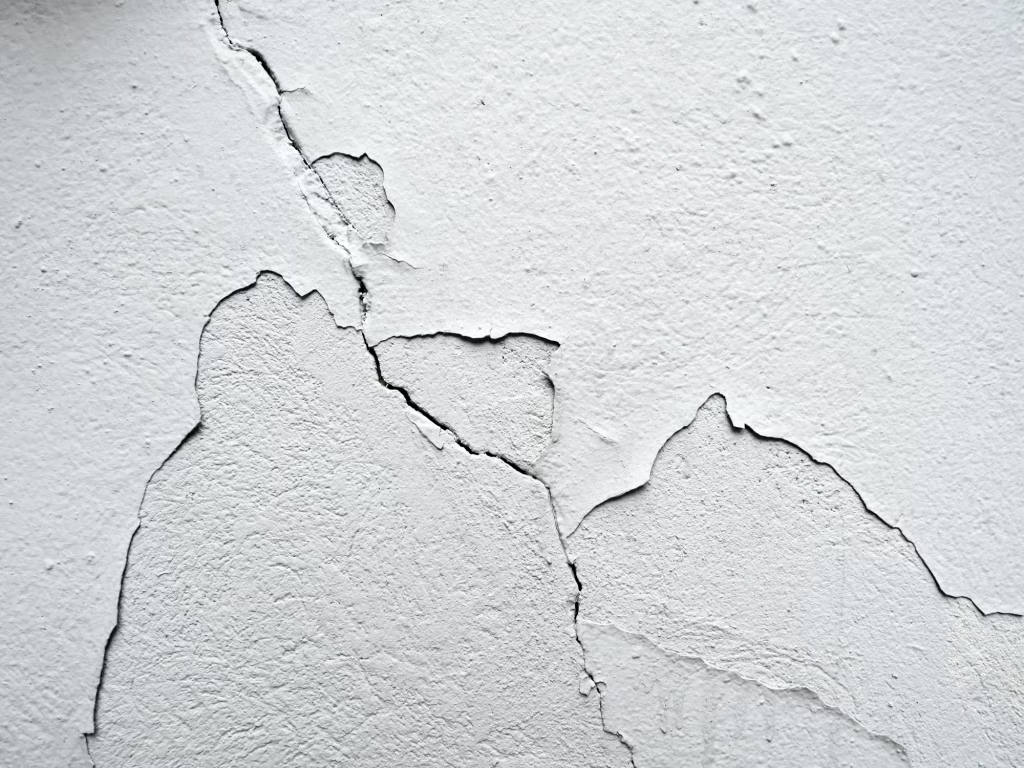
Cracks on exterior walls are a common problem in both older buildings and relatively new construction. Some are limited to the surface coating and mainly affect appearance, while others can indicate movement in the render, masonry or building structure.
For this reason, exterior wall crack repair should never begin by simply covering the crack with paint. The first step is understanding why the crack appeared. Only then can the damaged surface be prepared, repaired and protected with the appropriate facade materials.
A correct repair system can include mortar or levelling compounds, primers and a suitable exterior coating. Eder Trade supplies facade and repair products from MrFix and Chromos Svjetlost that can be combined according to the type and condition of the surface.
Why Do Exterior Walls Crack?
Exterior walls are exposed continuously to temperature changes, rain, sunlight and movement within the building materials. As temperatures rise and fall, different layers can expand and contract at different rates.
Cracks may also develop because of poor surface preparation, incorrectly applied render, shrinkage during drying, weak existing plaster or movement between different materials.
A small hairline crack in a facade coating is very different from a deep crack that continues through the wall. If a crack is widening, repeatedly returns after repair or appears together with other signs of structural movement, it should be assessed by a qualified professional before cosmetic repairs are carried out.
This distinction is important because facade repair products should not be used to hide a structural problem.
Start by Removing Unstable Material
For stable, non-structural cracks, preparation is one of the most important stages of repair.
Loose paint, damaged render and weak material surrounding the crack should be removed until a stable substrate is reached. Dust and contamination should also be cleaned away before applying new materials.
The objective is not simply to fill the visible opening. The repair material needs to bond to a solid surface around the damaged area.
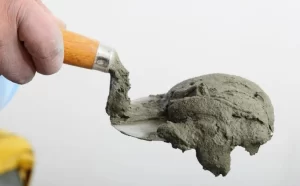
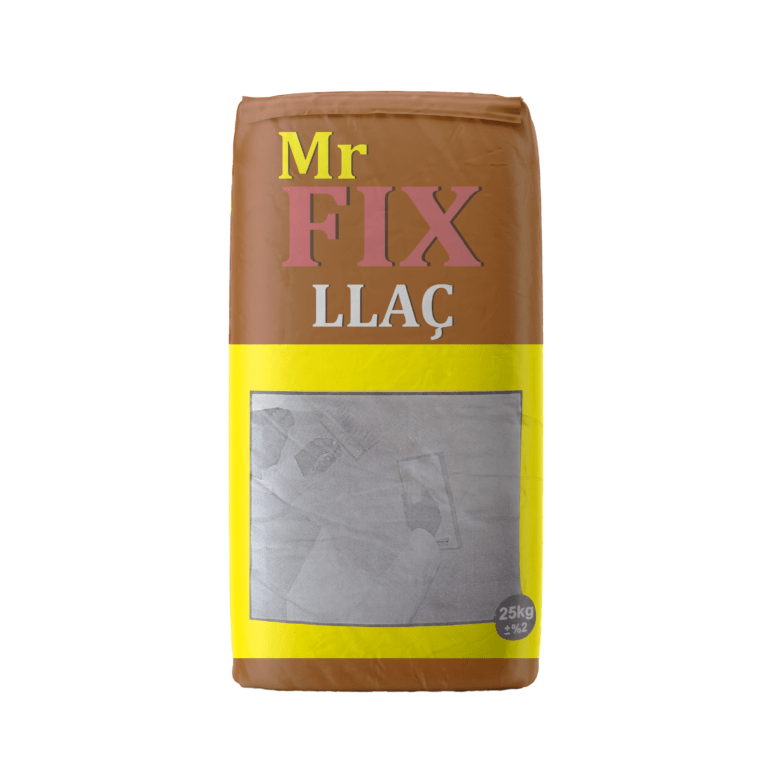
When exterior walls have larger damaged or uneven sections, MRFIX PLASTER MORTAR is one product available through Eder Trade for plastering and levelling interior and exterior wall and ceiling surfaces. It is intended for layers between approximately 2 and 20 mm and is also specified for repairing and levelling old walls and damaged buildings.
This makes it more appropriate for rebuilding damaged areas than using a finishing paint to disguise irregularities underneath.

Repair and Level the Wall Before Painting
Once weak material has been removed, the damaged section should be repaired according to its depth and the type of substrate.
A repair mortar should be applied only to a properly prepared base and should be allowed to cure before the facade finishing system continues.
On smooth concrete surfaces where stronger bonding between the substrate and following mortar or filler layers is required, BETON KONTAKT is one preparation option in the MrFix range. It is an acrylic resin-based bonding primer designed to improve the connection between smooth concrete and subsequent layers such as mortar, stucco and other cement-based finishes.
This illustrates an important principle in facade renovation: the correct product depends on the substrate. A rough mineral wall, old render and smooth concrete should not automatically receive exactly the same preparation.

Primer Creates a Better Base for the Final Facade Coating
After the repaired wall has dried and the surface is stable, the next stage is preparing it for the final facade finish.
Primer can help regulate absorption across old and newly repaired sections. Without this preparation, repaired patches may absorb paint differently from the surrounding wall, creating visible differences in colour or finish.
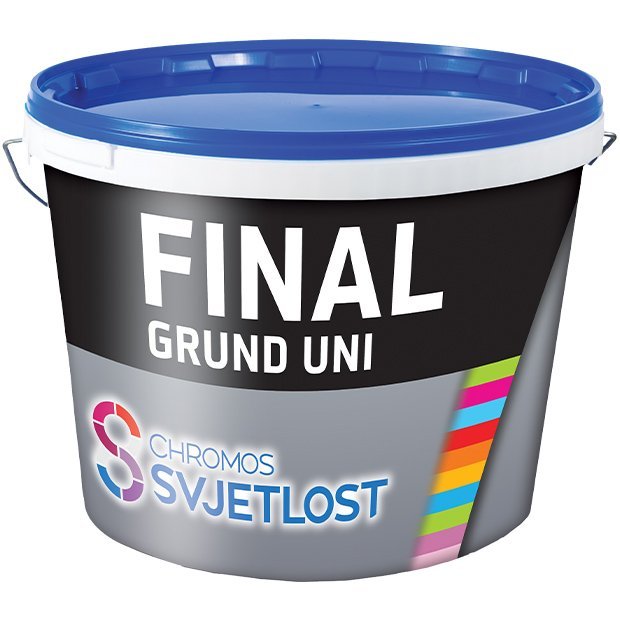
When a decorative render forms the final layer, FINALGRUND UNI from Chromos Svjetlost is one example of a dedicated facade undercoat available through Eder Trade. The company’s facade range also includes primers, decorative plasters and exterior paints designed to form part of complete finishing systems.
The primer should always be compatible with the final product rather than selected as an unrelated additional layer.
Choose an Exterior Coating Designed for Facades
After repairing cracks, the final paint has two roles: restoring the appearance of the facade and providing a coating designed for exterior exposure.
Chromos Svjetlost’s BRAVO FAS, available in Eder Trade’s facade range, is an acrylic dispersion facade paint designed for the protection and decoration of surfaces including concrete and cement or lime-based mortar. It is formulated for exterior exposure and can also be used when renovating compatible older coatings.
Another product within the facade portfolio is FASENA FIBER, an acrylic facade paint reinforced with fibres.
However, even a specialised facade paint should only be applied after the underlying crack has been correctly evaluated and repaired. Paint should be considered the finishing stage, not the repair itself.


Why Do Repaired Cracks Sometimes Come Back?
A crack often reappears when only the visible symptom has been treated.
Filling the opening quickly and painting over it may improve the facade temporarily, but if the substrate continues moving or the surrounding plaster remains unstable, the same line can become visible again.
Repeated cracking can also indicate that the repair material was incompatible with the substrate or that insufficient drying time was allowed between layers.
For this reason, professional exterior wall crack repair follows a sequence: identify the cause, remove unstable material, repair and level the substrate, prepare the surface and only then apply the final facade coating.
Treat the Wall as a Complete Facade System
The best facade renovation results come from considering every layer together rather than searching for one product that solves the entire problem.
Eder Trade’s portfolio makes it possible to combine MrFix repair and preparation materials with Chromos Svjetlost facade primers, decorative finishes and exterior paints according to the condition of the building. The catalogue includes dedicated categories for mortars, levelling compounds, primers, thermal-insulation materials and facade coatings.
For small stable cracks, this may involve relatively straightforward surface repair. For large damaged areas or recurring cracks, a more complete facade renovation may be required.
Most importantly, cracks that appear structural, continue to widen or return repeatedly should be investigated before the facade is refinished. Once the wall is confirmed to be stable, selecting compatible repair mortar, primer and exterior facade paint provides a much stronger basis for a durable and professional result.