
Wood Protection: How to Choose the Right Primer, Woodstain and Finish
Wood brings warmth and a natural appearance to doors, windows, pergolas, fences, furniture and many other architectural elements. At the same time, untreated or poorly protected wood can gradually change when exposed to moisture, sunlight, temperature variations and everyday use.
A durable wood protection system should therefore do more than improve colour. The surface needs to be prepared correctly and the selected coating should match the type of wood, whether it is located indoors or outdoors, and the appearance required from the finished surface.
Eder Trade’s Chromos Svjetlost range includes several products specifically designed for wood protection, including primers, transparent woodstains and finishing coatings for different applications. The current wood-protection category contains multiple solutions for both interior and exterior surfaces.
Why Does Wood Need Protection?
Wood is a natural material that reacts to its environment. Exterior wooden elements are exposed to rain, humidity, UV radiation and temperature changes, while interior surfaces can be affected by moisture, cleaning and mechanical wear.
A protective coating creates an additional barrier between the wood and these external influences. The exact type of protection depends on whether the goal is to preserve the visible grain of the wood, create an opaque decorative finish or provide additional protection before the finishing coat.
This is why wood primer, woodstain and varnish should not be considered interchangeable products. Each performs a different function within the coating system.

Start With Proper Surface Preparation
Before applying any wood coating, the surface should be clean, dry and stable.
Previously coated wood may need sanding to remove loose or deteriorated material and to create a more uniform base. Dust produced during sanding should be removed before applying the next product.
New wood should also be inspected carefully. Rough areas and imperfections should be corrected before coating because the final finish will usually make poor preparation more visible rather than hiding it.
Surface preparation has a direct influence on adhesion and appearance. Even a high-quality coating will struggle to perform correctly if it is applied over dust, unstable old coatings or damp wood.
When to Use a Wood Primer
A wood primer creates the first prepared layer before certain finishing coatings.
One product available through Eder Trade is AQUALUX WOOD PRIMER from Chromos Svjetlost. It is designed as a base coat for different types of wood before the application of AQUALUX Varnish and is based on a water-dilutable acrylic resin.
Using a compatible primer and finishing product helps create a coordinated coating system rather than combining unrelated materials.
Primer becomes particularly relevant when the final finish is opaque because it prepares the wood surface before the decorative topcoat is applied. The exact preparation, number of coats and drying intervals should always follow the technical instructions of the selected product.
Preserving the Natural Appearance of Wood
Not every project requires an opaque painted finish. In many cases, homeowners and designers want to keep the natural wood grain visible while still adding protection.
For this type of application, a woodstain can be a more suitable option.
AQUALUX WOODSTAIN, available through Eder Trade, is intended for different types of wood and can be used for both indoor and outdoor applications.
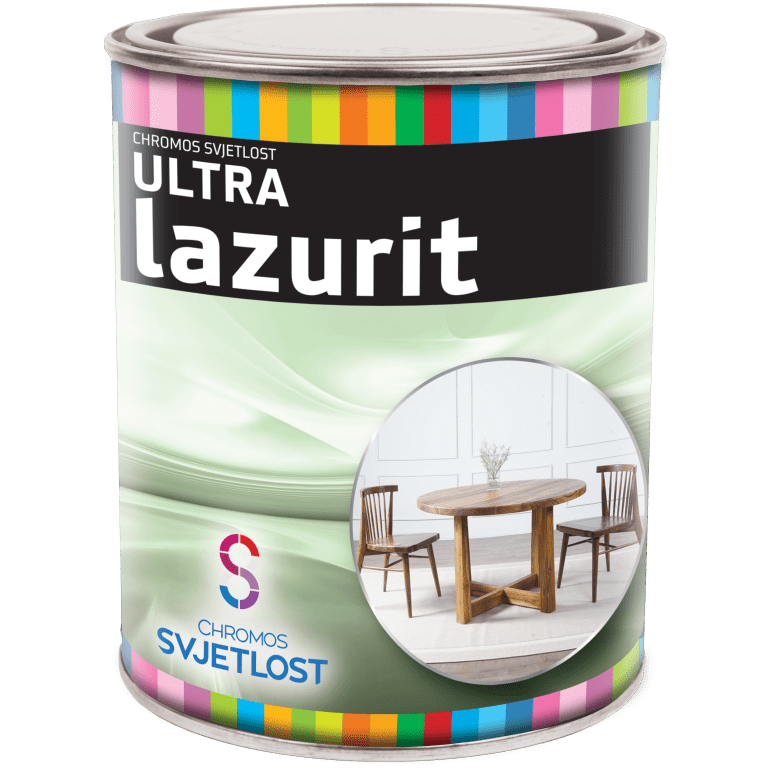
Another option in the Chromos Svjetlost portfolio is ULTRA LAZURIT, a transparent protective and decorative coating for wood designed for both exterior and interior surfaces. The product is based on an alkyd binder with pigments and is intended to protect the wood while allowing its structure to remain visible.
This type of finish is particularly suitable when the character of the timber is part of the desired visual result.


Opaque Finishes for Wood
Some projects require stronger colour coverage rather than a transparent finish.
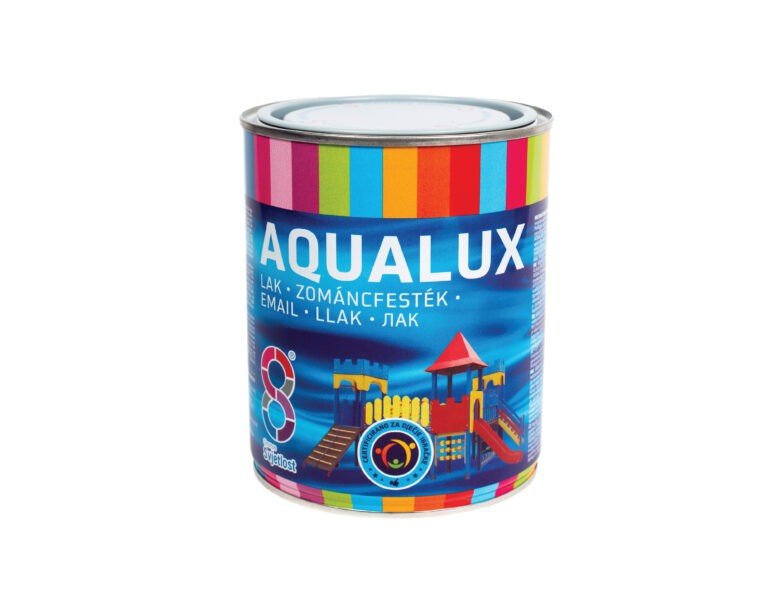
AQUALUX VARNISH is a water-based acrylic finishing coating suitable for wood as well as metal. Within the recommended wood system, Chromos Svjetlost pairs it with AQUALUX Wood Primer.
For projects where stronger opacity and additional protective characteristics are required, AQUALUX STRONG is another product available in the Eder Trade range. It is an acrylic resin-based coating with high opacity, and its coating film contains fungicidal and insecticidal active substances.
The correct choice between a transparent woodstain and an opaque coating therefore depends on both the technical requirements and the desired appearance of the project.
Interior and Exterior Wood Require Different Considerations
A wooden table inside a home does not face the same conditions as a pergola, external door or fence.
Exterior wood needs coatings selected specifically for exposure to weather and sunlight. The quality of the preparation becomes especially important because water can enter through poorly protected joints, damaged areas or coating defects.
Interior wood is generally exposed to less severe weather conditions, but durability, cleanability and appearance still matter.
Products such as AQUALUX WOODSTAIN and ULTRA LAZURIT can be used in both interior and exterior applications, making them useful options where maintaining a visible wood texture is important.

Choose Wood Protection as a System
The most effective approach to wood protection is to consider the complete process rather than choosing a finishing product based only on colour.
Start by inspecting and preparing the wood. Then decide whether the project requires a transparent or opaque finish. Where a primer is required, use one that is compatible with the selected finishing coating.
Eder Trade’s Chromos Svjetlost wood-protection portfolio includes AQUALUX WOOD PRIMER, AQUALUX WOODSTAIN, AQUALUX VARNISH, AQUALUX STRONG and ULTRA LAZURIT, providing different solutions depending on the type of surface and finish required.
The right system can help maintain the appearance of the wood while giving the surface the protection appropriate for its environment. For larger projects or when the existing coating system is unclear, selecting the products according to the specific type of wood, exposure and previous treatment is more reliable than applying a universal coating to every surface.