Common Wall Painting Problems: Causes, Solutions and How to Prevent Them
A freshly painted wall should have an even colour, consistent finish and strong adhesion to the surface underneath. When problems such as peeling, uneven colour, visible cracks or mould appear shortly after painting, the paint itself is not always the main cause.
In many cases, wall painting problems begin during surface preparation. Painting over dust, unstable filler, excessive moisture or surfaces with very different levels of absorption can affect the final result regardless of the quality of the finishing paint.
Understanding the cause of each problem makes it easier to select the correct combination of surface preparation materials, primer and interior paint. Eder Trade’s Chromos Svjetlost range includes products for each stage, from PREMIUM GLET and SIMPRA to interior paints such as BRAVO, KEMOPOL PREMIUM and KEMOPOL PROTECT.
Why Does Paint Peel Off the Wall?
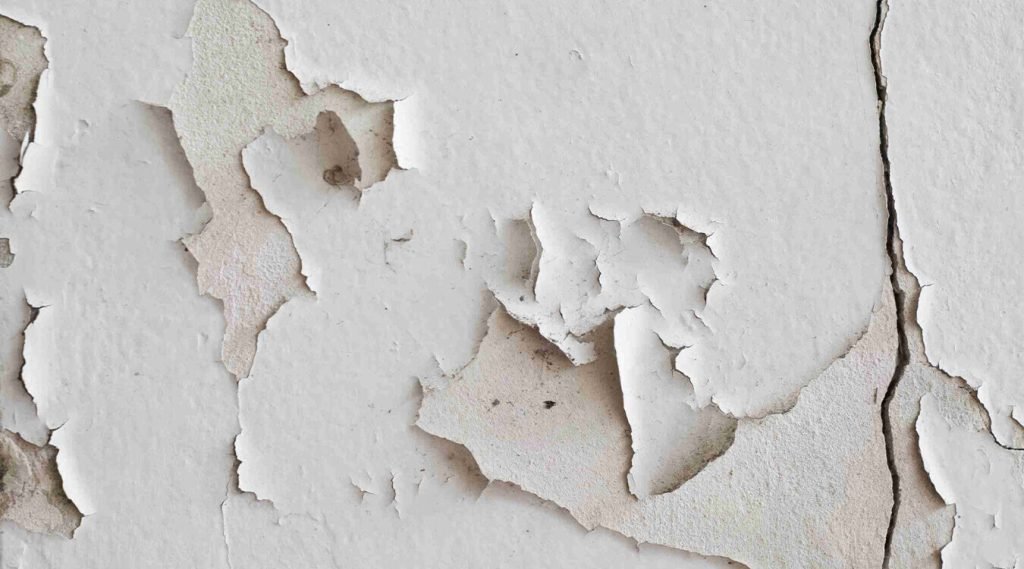
Peeling or flaking paint usually indicates that the coating has lost adhesion to the surface underneath.
This can happen when paint is applied over dust, loose old coatings or a wall that has not been prepared correctly. Moisture behind the coating can also contribute to paint deterioration, particularly when the source of the moisture has not been resolved before repainting.
Before applying another coat, loose material should be removed and the wall inspected. Simply painting over peeling areas usually hides the problem temporarily rather than solving it.
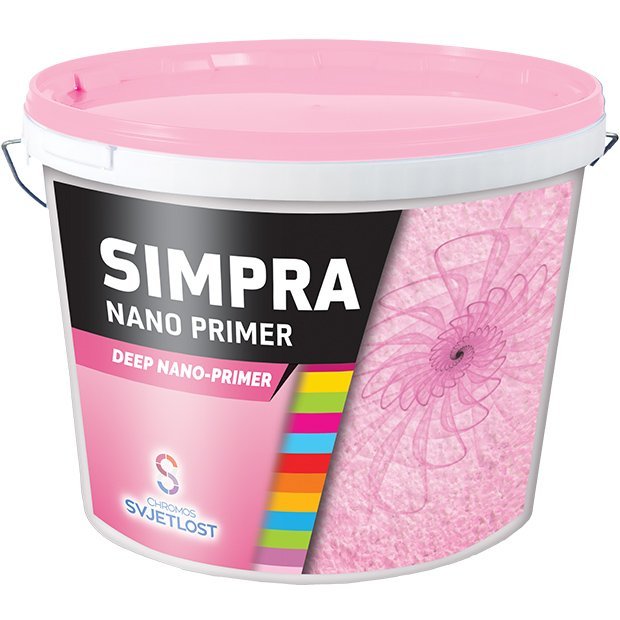
A suitable primer can improve the preparation of absorbent mineral substrates. SIMPRA, for example, is designed to strengthen the surface, equalise absorbency and improve the adhesion of coatings including KEMOPOL PREMIUM and BRAVO.
The finishing paint should only be applied after the substrate is stable, clean and sufficiently dry.

Uneven Colour and Patchy Paint
One of the most common problems after painting is a wall that appears darker in some areas and lighter in others.
This often occurs when different sections of the wall absorb paint at different rates. A repaired section filled with smoothing compound may behave differently from old plaster, while a newly plastered area may absorb considerably more paint than an existing painted surface.
Priming the wall before painting can help regulate this difference.
BRAVO PRIMER is a universal water-based impregnating primer designed for mineral substrates. The product requires the surface to be solid, dry and clean before application.
Creating a more uniform base before painting helps the decorative coating dry more consistently and can also make paint consumption easier to estimate.
Small Cracks and Imperfections Remain Visible
Paint is a finishing material, not a wall-repair compound.
Small dents, scratches and cracks that are visible before painting can often remain visible afterwards, particularly under natural or directional lighting.
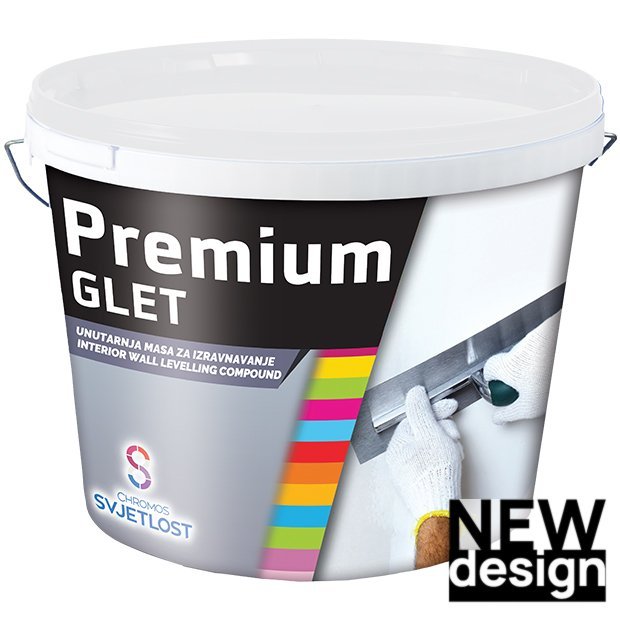
For interior walls and ceilings, PREMIUM GLET from Chromos Svjetlost is designed for fine smoothing and for filling smaller dents and cracks. The product is applied to a dry, firm and clean substrate and can be sanded after drying to create a smoother surface before the final coating.
This stage can make a substantial difference to the visual quality of the finished wall.
Instead of trying to hide imperfections with additional layers of paint, the better sequence is to repair and smooth the wall first, remove sanding dust, prime where required and then apply the finishing paint.

Why Does Mould Appear on Painted Walls?
Dark spots or mould on interior walls require a different approach.
Mould can develop when conditions allow persistent surface moisture, condensation or other humidity-related problems. Painting directly over visible mould is not an appropriate long-term solution because the underlying conditions may remain unchanged.
Eder Trade offers ALGENON BIOCID, a colourless solution designed for removing mould and algae from facade and interior wall surfaces.
After the affected surface has been treated and the underlying moisture conditions have been addressed, a coating specifically designed for additional surface protection can be considered.
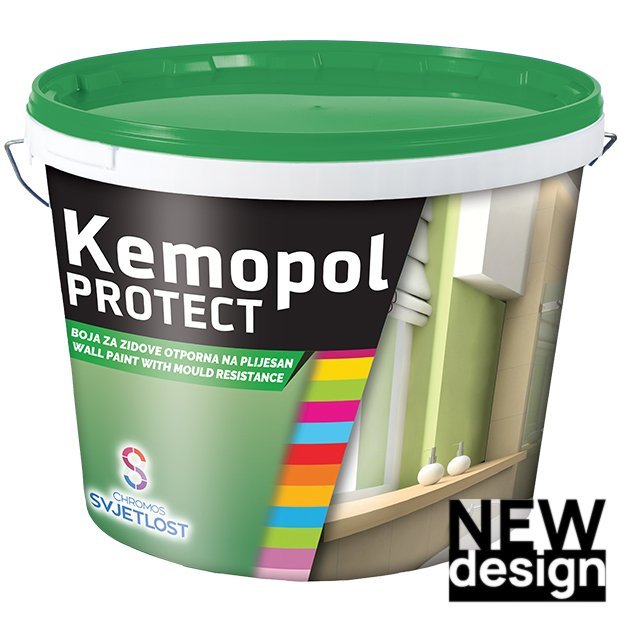
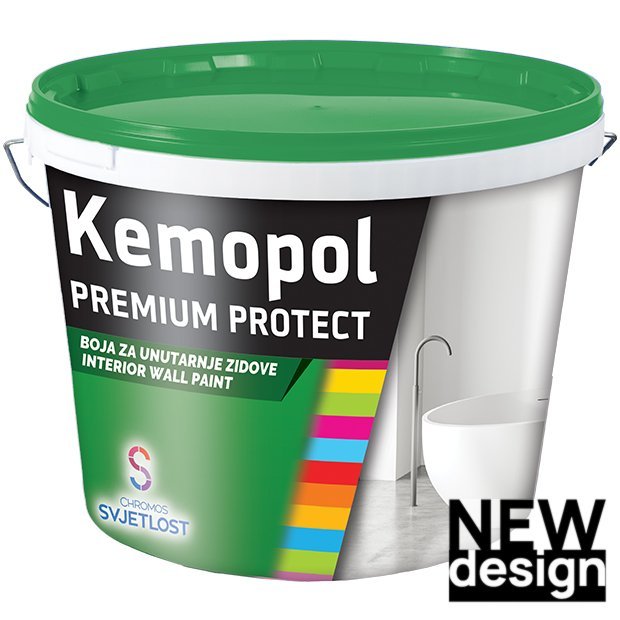
KEMOPOL PROTECT is a water-based dispersion paint for interior walls formulated to help protect the coating surface against mould growth. KEMOPOL PREMIUM PROTECT provides another interior option with high coverage and mould-protection properties.
These products should be viewed as part of the finishing system, not as substitutes for repairing leaks, condensation issues or other sources of moisture.

Poor Coverage After the First Coat
Another common complaint is that the existing colour remains visible after painting.
This does not automatically indicate that the paint is defective. Coverage can depend on the contrast between the old and new colour, substrate absorbency, application thickness and the number of coats specified for the product.
For example, BRAVO is an interior dispersion paint characterised by high whiteness and spreading capability. Eder Trade’s product information specifies application in two coats on a properly prepared surface.
Similarly, KEMOPOL PREMIUM is intended for the protection and decoration of interior wall surfaces and has its own specified coverage according to the condition and roughness of the wall.
Following the recommended application system is therefore more reliable than trying to achieve the final result with one excessively heavy coat.
Surface Preparation Determines the Final Finish
Many common painting problems can be reduced before the paint container is even opened.
A professional wall-painting system begins by evaluating the substrate. Damaged areas are repaired, the surface is cleaned and smoothed, the correct primer is applied when required, and only then is the finishing paint selected.
Products such as PREMIUM GLET for fine wall preparation, SIMPRA or BRAVO PRIMER for substrate treatment and BRAVO or KEMOPOL PREMIUM for the final interior finish allow these stages to be approached as one coordinated system. For areas where mould protection is required after the original problem has been treated, KEMOPOL PROTECT offers a more specialised finishing option.
The most expensive paint cannot compensate for an unstable surface underneath it. Correct preparation, compatible materials and proper application are what ultimately create a cleaner, more uniform and longer-lasting painted wall.